

Don’t let the good stuff go to waste: simple ways to make the most of water in your garden this spring
Being smarter with water today helps keep more for the local waterways and wildlife on our doorstep.
Spring is the perfect time to get outside and dust off the gardening gloves but it’s also an opportunity to think about how we can use water better outdoors.
With warmer weather, we see more water being used.
By thinking a little differently about how and when water is used, we can reduce water waste while caring for our green spaces. In fact, many water‑saving measures can also improve soil health, make our gardens more resilient to dry weather, and boost biodiversity.
Success starts in the soil. Keep hold of any grass cuttings to use as a layer of mulch over your soil. Things like bark, wood chips, shredded leaves or those grass clippings, will help prevent evaporation and help keep roots hydrated.
How and when you water can impact how much water you use in the garden, as well as the health of your plants. Watering early in the morning or in the evening helps keep the water in the ground so moisture reaches the roots and helps soil to soak in water more effectively.
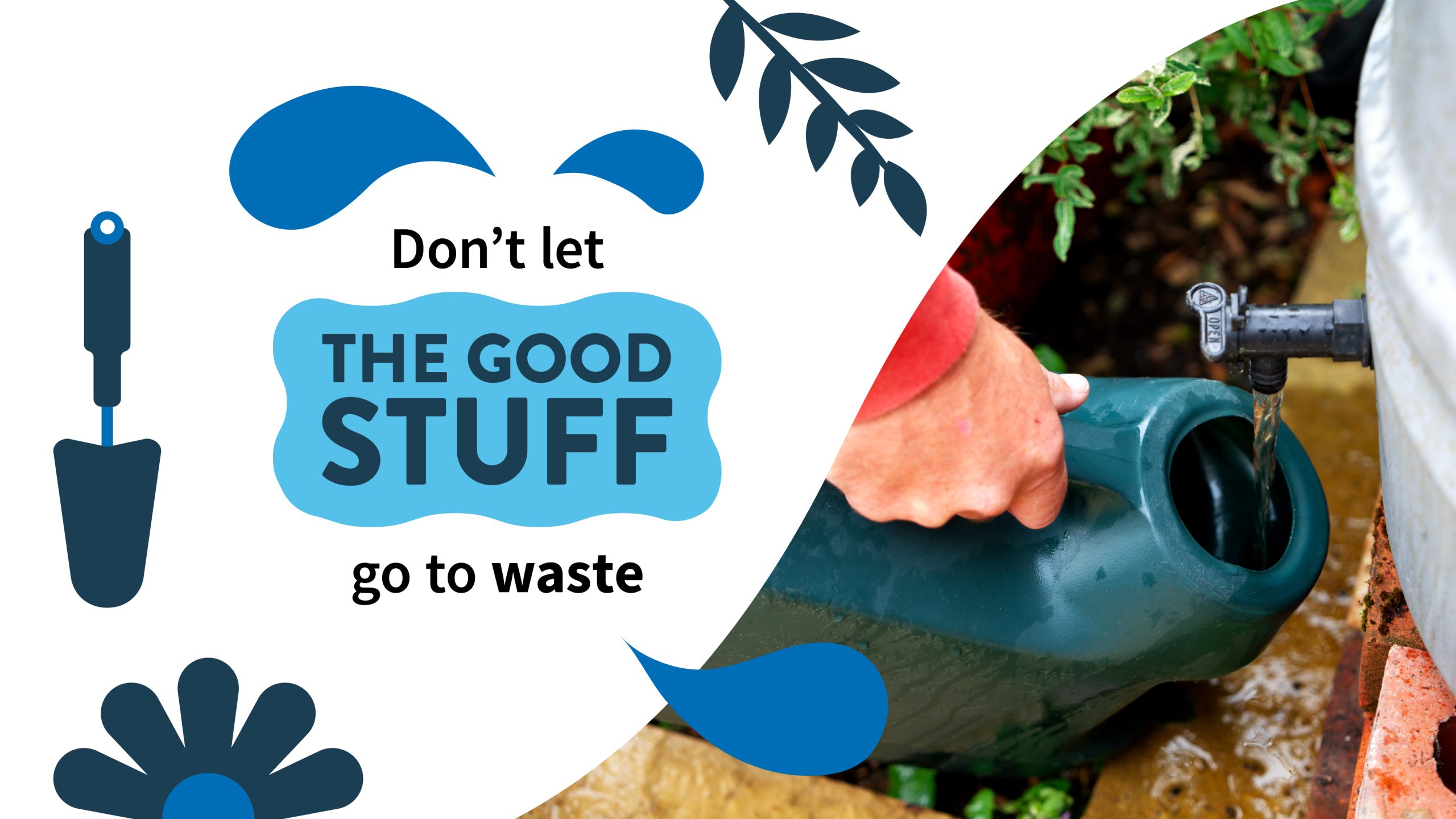
Where you get your water from can help make sure the good stuff doesn’t go to waste too. Harvesting rainwater with a water butt is free and full of nutrients, which your plants will love. While swapping the hose for a watering can wastes far less water and means you can target plants more precisely and delicately.
How often you need to reach for the watering can depends on your plant choices too. Drought-friendly plants like lavender, marigolds and succulents need less water and enjoy drier conditions. For lawns, adding clover is a low maintenance way to keep them green. As well as needing less water than traditional grass, clover is also pollinator friendly.
If we look after the good stuff now, we can help secure supplies for our communities and our environment today, and for the future.